

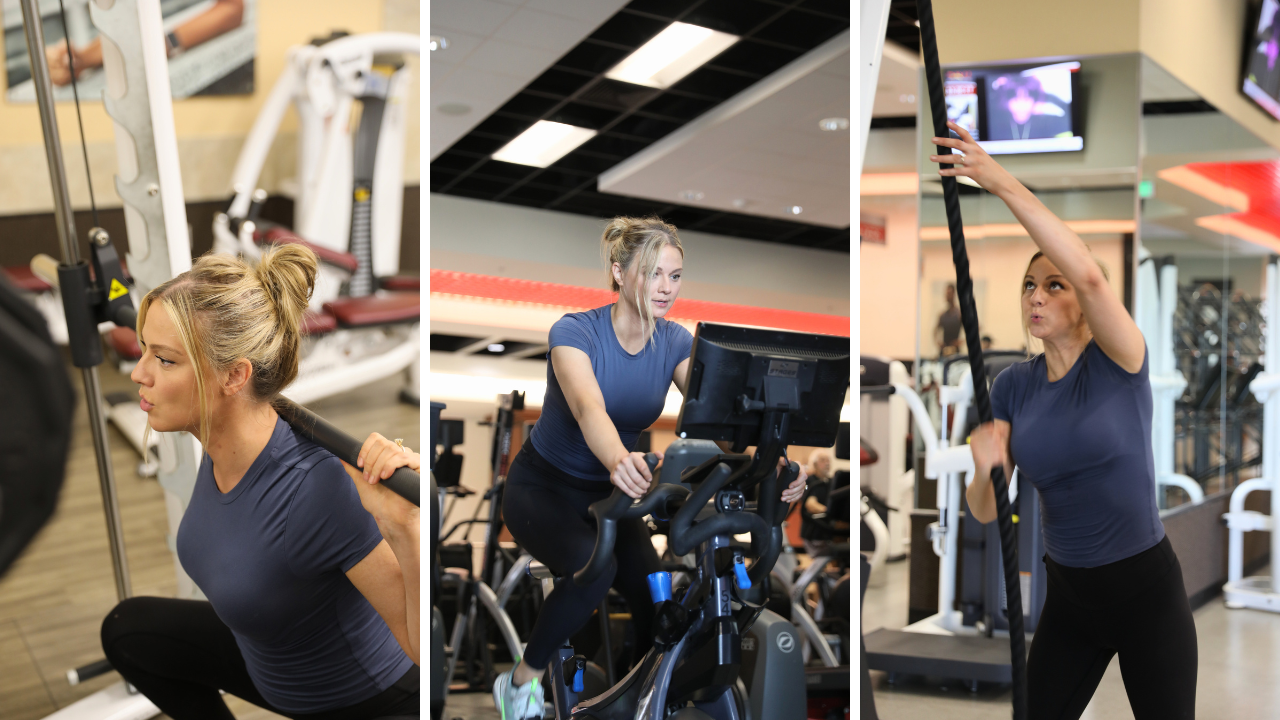
The whole valley is buzzing right now. The Vegas Golden Knights are in the Stanley Cup Final, holding a 2–1 series lead over the Carolina Hurricanes, with Game 4 at home on the line. Watching that level of speed, power, and grit makes a lot of us think the same thing: I want to move like that.
Here’s the good news, you don’t need an NHL contract to train like a professional athlete. The principles the pros use to build elite bodies aren’t secret, and most of them scale perfectly to weekend warriors, busy parents, and anyone who just wants to feel athletic again. Below are the seven habits that separate pro training from random gym sessions, plus a simple way to start this week while the Cup energy is high.
What Does It Actually Mean to Train Like a Professional Athlete?
Professional athletes don’t just work out, they train with intent. Every session has a purpose that ladders up to a goal: being faster, stronger, and more durable when it matters most. The difference between “exercising” and training like a pro comes down to structure, recovery, and consistency over time, not punishing yourself in a single heroic workout.
If you want to train like a professional athlete, you’re really committing to a system rather than a sporadic burst of motivation. Here’s what that system looks like.
1. Train With a Purpose (Periodization)
Pros don’t go all-out year-round. They follow periodization, organizing training into phases that build on each other. There’s an off-season for building strength and size, a pre-season for converting that into power and speed, and an in-season for maintaining and peaking when games count.
For you, that might mean a few weeks focused on building strength, followed by a few weeks of more explosive, athletic work, then a lighter recovery week. Cycling intensity like this prevents burnout, reduces injury risk, and keeps progress moving forward instead of plateauing.
2. Build a Foundation of Strength and Power
Underneath every great athlete is raw strength. Hockey players, in particular, need powerful legs and hips, a stable core, and an upper body that can absorb contact. The big compound lifts do the heavy lifting here: squats, deadlifts, lunges, presses, rows, and pull-ups.
Once a base of strength exists, athletes layer in power work, moving moderate loads as fast as possible. Think jump squats, medicine-ball throws, kettlebell swings, and Olympic-style lifts. This is the quality that turns strength into the explosive first step you see when a winger beats a defender to the puck.
3. Prioritize Speed, Agility, and Conditioning
Hockey is a sport of short, intense bursts followed by quick recoveries and that’s exactly how pros condition. Rather than long, slow cardio, they lean on interval training: hard efforts of 20–60 seconds followed by short rests, repeated for several rounds.
Agility matters just as much. Ladder drills, cone work, and change-of-direction sprints train your body to start, stop, and cut on a dime. Even two short conditioning sessions a week will noticeably improve how athletic you feel in everyday movement.
4. Treat Recovery as a Training Tool, Not a Day Off
This is the habit most amateurs skip and every pro obsesses over. You don’t get stronger during a workout, you get stronger while recovering from it. Sleep is the single most powerful recovery tool there is, and most pros aim for 8–9 hours a night.
Beyond sleep, smart recovery includes mobility work, light movement on off days, and managing stress. Pay attention to hydration as well, since even mild dehydration drags down strength, focus, and endurance. Build recovery into your week on purpose, and your hard training days will actually pay off.
> Recovery Tips That Actually Work: How to Recharge, Rebuild, and Stay Consistent
5. Fuel Like an Athlete
Pros think of food as fuel, not reward or punishment. The basics are simpler than the supplement industry wants you to believe: a quality protein source with most meals to repair and build muscle, plenty of fruits and vegetables for micronutrients, and carbohydrates timed around training to power your sessions and refill energy stores afterward.
You don’t need to weigh every gram. Focus on mostly whole foods, eat enough to support your training, and stay consistent. If you want individualized targets, a registered dietitian or sports nutritionist can tailor a plan to your body and goals.
6. Train the Mental Game
Watch any playoff series and you’ll see that composure under pressure is a skill, not luck. Pros train it deliberately through routines, visualization, and focusing on the next play instead of the last mistake.
You can borrow the same tools. A simple pre-workout routine, a clear intention for each session, and the habit of showing up even when motivation dips will carry you further than any single burst of inspiration. Discipline beats motivation over a full season and over a lifetime of fitness.
7. Track, Test, and Adjust
What gets measured gets improved. Athletes log their lifts, times, and benchmarks so they know whether the plan is working. You don’t need a sports-science lab, a notebook or app to record your workouts is plenty.
Pick a few simple benchmarks (a key lift, a sprint or row time, a conditioning test) and retest every four to six weeks. If the numbers are climbing, keep going. If they stall, that’s your signal to adjust intensity, volume, or recovery.
A Sample Week to Train Like a Pro
Here’s how those seven habits come together in a beginner-friendly week:
- Monday — Lower-body strength (squats, lunges, core)
- Tuesday — Conditioning intervals + agility drills
- Wednesday — Active recovery (walk, mobility, stretching)
- Thursday — Upper-body strength (presses, rows, pull-ups)
- Friday — Power and speed work (jumps, throws, sprints)
- Saturday — Fun activity or pickup game (skate, hike, sport)
- Sunday — Full rest, sleep, and meal prep
Adjust the volume to your level, and always warm up before and cool down after each session.
Try This at LVAC
You don’t have to build a pro-style routine on your own, Las Vegas Athletic Clubs makes it easier to train like a professional athlete without overthinking it.
- Group fitness classes deliver structured strength and conditioning in a supportive, community-driven setting — a simple way to cover the interval and agility work above.
- Personal trainers can help you map out periodization, dial in your lifts, and align your workouts with realistic nutrition habits.
- The LVAC JuiceBar, available at all locations, offers smoothies and protein shakes that fit naturally into a post-workout routine or a busy day.
- Recovery amenities help your body bounce back so you’re ready for whatever your next session — or your next pickup game — throws at you.
If you’re not sure where to start, ask a team member or trainer. Small adjustments can go a long way, and LVAC is here as a resource supporting both the workouts you do and the life you live.
Bring the Stanley Cup Energy to Your Own Training
The Golden Knights didn’t reach the Final by accident — it took years of structured training, smart recovery, and relentless consistency. You can apply that exact mindset to your own goals starting this week, no matter where you’re beginning.
While Vegas chases the Cup, channel that same energy into your routine. Want help building a program that lets you train like a professional athlete? Stop by the nearest LVAC location or connect with a coach and let’s build your game plan.
Go Knights Go. 🏒
This article is for general educational purposes and is not medical advice. Talk with your doctor before starting a new exercise program. Las Vegas Athletic Clubs (LVAC) is an independent business and is not affiliated with, endorsed by, or sponsored by the NHL or the Vegas Golden Knights.
How much is an LVAC membership compared to other gyms locally?
What amenities does LVAC include that other gyms in the area don’t?
Does LVAC raise membership prices annually?
What free extras come with LVAC?
Is LVAC open 24/7?